“I got a dream worth more than my sleep”
“Don’t stop when you are tired, stop when you are done”
“Go hard or go home”
In recent times, the concept of hustle culture has been popularized by millions, from influencers like Vaynerchuk, CEO of Vayermedia, who is known for publicizing hustle through his talks and books, to companies like apple, who promote workaholism through posts and quotes like:
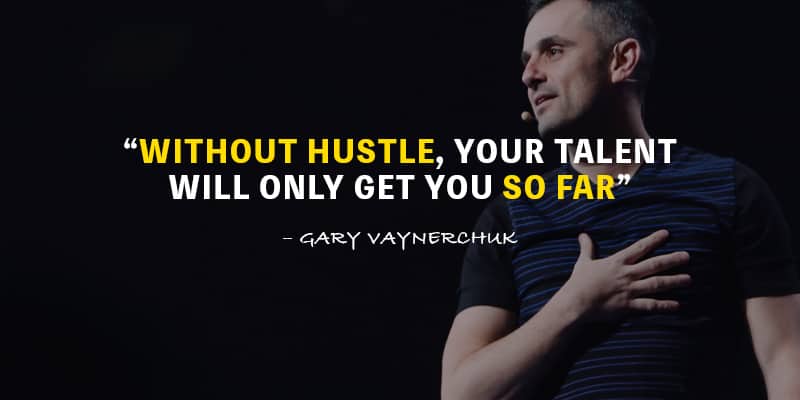
Before we criticize this lifestyle, we must understand what hustle culture is to its core.
What is Hustle culture?

The definition of hustle culture has become subjective. While some define it as a motivator to achieve success and overcome rejection, others view it as ‘extreme workaholism’ that hinders the rest of the activities in our lives.
The basic concept of hustling is that there is always ‘more’; a higher position to reach, making more income, getting more respect and fame, and reaching greater heights.
It’s a lifestyle where career becomes the main priority to a point where the rest of the aspects like family, friends, hobbies, and leisure time becomes irrelevant.
While this sounds irrational and dangerous to convert into a lifestyle, unfortunately, millions have been trapped in this rat race to be on the top and to contain overwork to the point of severe burnout and mental and physical problems that could lead to lower life expectancy and even death.
But how did this lifestyle come into practice? How was it able to shift from an idea into today’s reality?
Why did it become popular?
From business printing hats, mugs, and T-shirts with the word ‘HUSTLE’ to major brands like Nike, Taigun, and WeWork creating Rise and Grind campaigns and work ethics. Through which Hustle culture gained mainstream popularity.
Also, it’s a sad truth of life, where everyone’s success in life is measured through their profession, how much they make, and where they are in the job sector. From our school days, we are taught to work hard and be the best, which is not a negative attitude. But if obsessed over it, it could lead to workaholism. Now, we must understand that there is one difference between workaholism and hustle culture: social media.
Workaholism caters to the inner satisfaction of completing loads of work, while the hustle culture’s key feature is ‘flexing’ and boosting the relentless work one has done and is doing. Their life becomes an advertisement, being published 24/7.
Hustle culture presented itself with various benefits. One of them is the obvious one it increases productivity. It creates a drive to reach your goals at a much faster pace.
The idea was sold in such limelight. Basically, you work hard constantly, and it’s a guarantee that you will reach where you want to be. But one calculates the dark side of this culture and the factors that affect this lifestyle’s success rate.
Where did the problem begin?
In a poll of 1,908 Indian workers, 70% claimed to experience stress at least once during the workweek. Indian workers experience stress levels much higher than the Asia-Pacific average of 60%.
The purpose of life becomes blurred. One only work prioritized in life. Our life revolves around it, day and night. It’s all we would work for. Initially, the hustle would be to be financially stable, be rich or travel the world. But when will you enjoy the fruits of your plotting if you don’t have time for anything else except work?
In the long term, it leads to more loss than profit—both with money and time. The Hustle culture requires you to ignore all activities that do not benefit your work. This could be canceling plans with your friends and family, not going to your favorite concert, not going on trips and whatnot. Leaving out activities that bring joy, happiness and bonds gives a higher chance of you regretting not trying out new things when you were young, had the time, or had less risk than you have today.
“Non-stop grind until you reach your goal” is the motto of this culture. While such quotes give us the motivation to work hard in a hustle culture, these quotes are taken in a literal sense. No break, living on caffeine in the office for hours. This lifestyle brings a huge toll on your mental and physical health. What good is this if you eventually have to pay your hospital bills to recover?
Alternatives to Hustle Culture
The solution is not the opposite of hustling; that would be doing nothing and being lazy. That is not the goal of avoiding hustling. It’s best the find and works with a middle ground.
Set the top 5 priorities in your life. Not everyone’s main goal in life is to be rich and famous. Through the painful process of adulting, we realize the sacrifices one has to make to reach that position, which might not work in favor of our nature or what our aim is. Apart from money, family, love, trust, respect, learning, and leisure could be other equally important priorities. Work according to your priorities-not priority.
Always go back to ‘why.’ What was the reason you started your career? Remind yourself of your set priorities. This constant reminder will help you stay on track at your comfortable yet progressive pace.
We humans sooner or later realize that one way of gaining satisfaction is not by gaining but by recognizing, appreciating, and giving. It’s a mix of all elements through which we can acquire a balance in life.
It makes sense to take pride in our capacity to hustle, but perhaps we should reconsider celebrating our overload and tiredness. We can be proud of our skill, work ethic, and ingenuity while still placing a high value on our self- and others care.